22 Aug 2026
Player Protection Features Embedded Directly Into Jackpot Slot Systems on New Digital Platforms
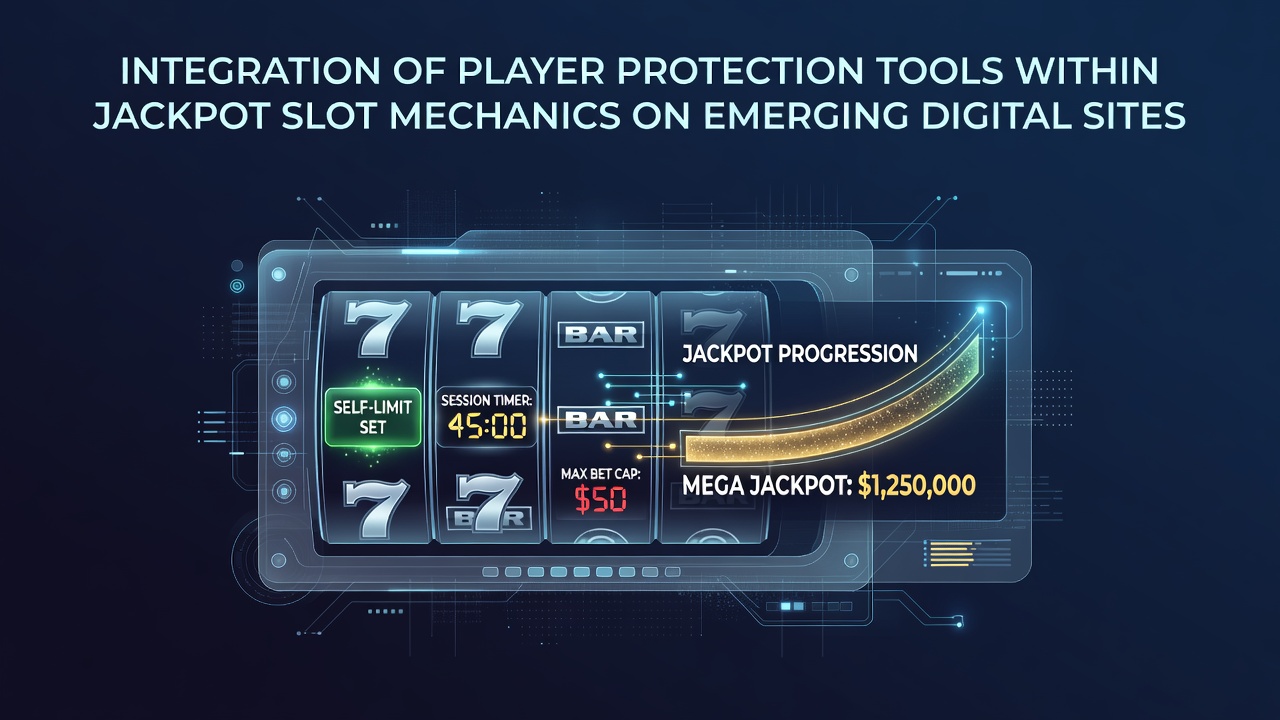
Emerging digital gambling platforms have started embedding player protection mechanisms straight into jackpot slot mechanics, and this shift reflects broader regulatory pressures plus technological advances that allow real-time monitoring during gameplay. Developers now design progressive jackpot systems with built-in triggers that activate spending alerts, session timers, adn loss limit notifications without pulling players out of the spinning reels. Those who study these platforms note that such integration happens at the code level, where algorithms track bet patterns and jackpot contributions simultaneously, then deliver interventions at key moments like when a player approaches a preset deposit threshold.
Technical Foundations of In-Game Safeguards
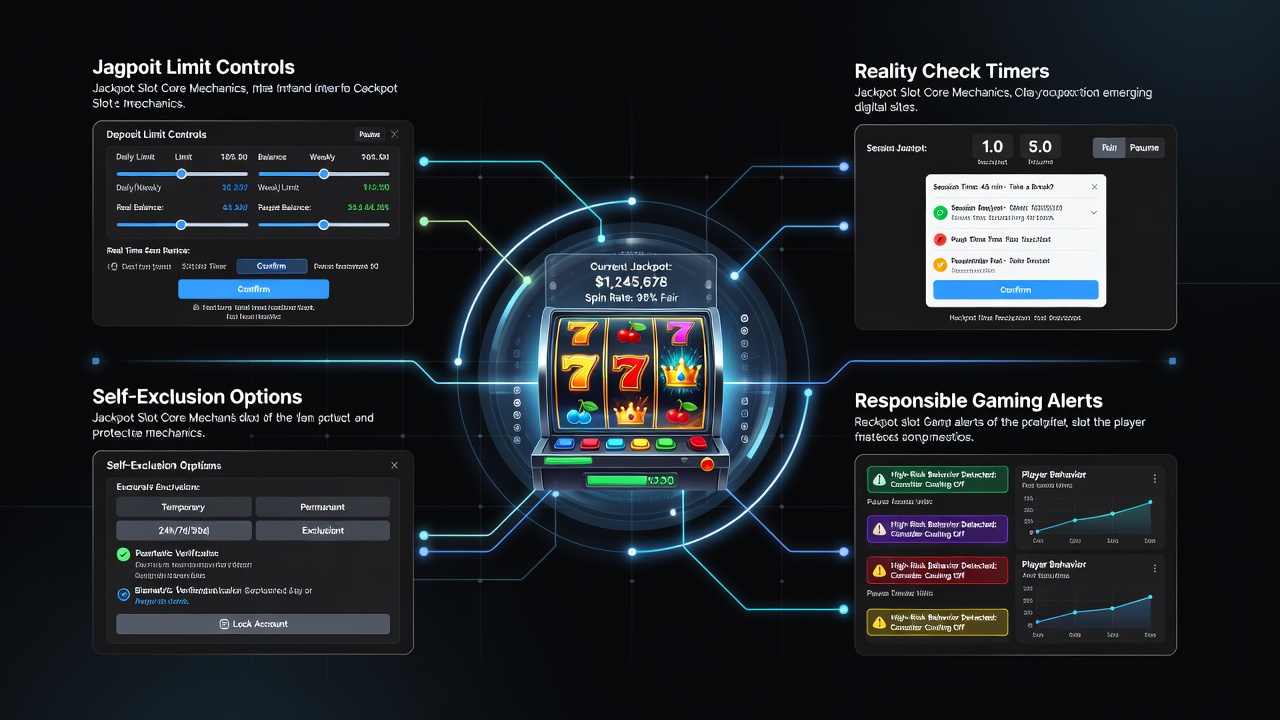
Jackpot slots on newer sites use server-side scripts that connect protection tools to the random number generator and payout engine, so limits activate automatically once conditions match player-set parameters. Research from the Canadian Centre on Substance Use and Addiction shows these systems reduce prolonged play sessions by inserting mandatory pauses that still keep the jackpot pool visible but pause further spins until confirmation. Engineers achieve this through modular APIs that let operators toggle features like reality checks every 30 minutes or dynamic bet caps tied to overall account activity rather than single-game settings. Data indicates that sites launched after 2024 incorporate these elements during initial build phases instead of adding them later as separate overlays.
Regulatory Drivers Across Regions
Government agencies in multiple jurisdictions have pushed for tighter coupling between jackpot mechanics and harm reduction features, with Australia's National Consumer Protection Framework requiring operators to demonstrate how progressive systems flag at-risk behavior before payouts occur. In August 2026, updates from the Nevada Gaming Control Board highlighted new compliance standards that mandate jackpot contribution meters display remaining limits alongside current prize pools, giving players immediate visibility without leaving the interface. European regulators have followed similar paths, and reports from the European Gaming and Betting Association detail how emerging platforms in Malta and Gibraltar test integrated tools that link jackpot eligibility to verified self-exclusion lists across multiple operators. These rules create uniform expectations that new sites must meet before launching progressive titles.
Case Examples From Platform Rollouts
One studio that released a multi-site jackpot network in early 2025 integrated deposit limit pop-ups that appear only during bonus rounds, keeping immersion intact while enforcing boundaries. Observers note that players who set daily caps receive visual cues on the jackpot meter itself, such as color shifts from green to amber when nearing the threshold. Another example comes from a Canadian operator that tested AI-driven pattern recognition within its jackpot slots, where repeated small bets on high-volatility games trigger session summaries that include time spent and total wagered amounts. Figures from the National Council on Problem Gambling reveal that platforms using these embedded approaches see measurable drops in customer support requests related to account management, since tools operate proactively inside the game flow.
Impact on Player Behavior and Site Operations
Studies tracking user data across emerging sites indicate that integrated protection tools alter how players engage with jackpot features, often leading to shorter but more deliberate sessions because alerts appear before losses escalate. Operators report that compliance teams now review jackpot logs alongside protection metrics during audits, which streamlines reporting to oversight bodies. Those who've analyzed transaction records find that sites with seamless tool integration experience fewer chargebacks tied to gambling disputes, since players encounter spending boundaries at the moment they matter most. Yet the technical complexity requires ongoing updates, as jackpot pools grow across networked sites and protection parameters must scale without introducing latency during peak play times.
Future Developments in Embedded Systems
Industry reports project that by late 2026 more platforms will adopt biometric-linked safeguards within jackpot slots, allowing facial recognition or device-based authentication to enforce personal limits across sessions. Research institutions continue to examine how these mechanics affect jackpot contribution rates, and early findings suggest no significant drop in overall revenue when tools remain non-intrusive. Emerging sites differentiate themselves by offering customizable protection dashboards that sync directly with jackpot progress bars, giving users granular control while maintaining the excitement of accumulating prizes. Data from academic papers on digital gambling interfaces supports the view that such convergence between entertainment and safety features represents a standard evolution rather than an optional add-on.
Conclusion
Integration of player protection tools into jackpot slot mechanics continues across new digital platforms as regulatory frameworks and technical capabilities align, with examples from multiple regions showing measurable effects on session management and compliance processes. Ongoing refinements keep these systems responsive to player settings while preserving core game dynamics, and sources ranging from government agencies to research organizations track their deployment through 2026 and beyond.