10 Sep 2026
Global Regulatory Frameworks Shaping Mobile Casino Payment Protocols and Jackpot Allocation Systems
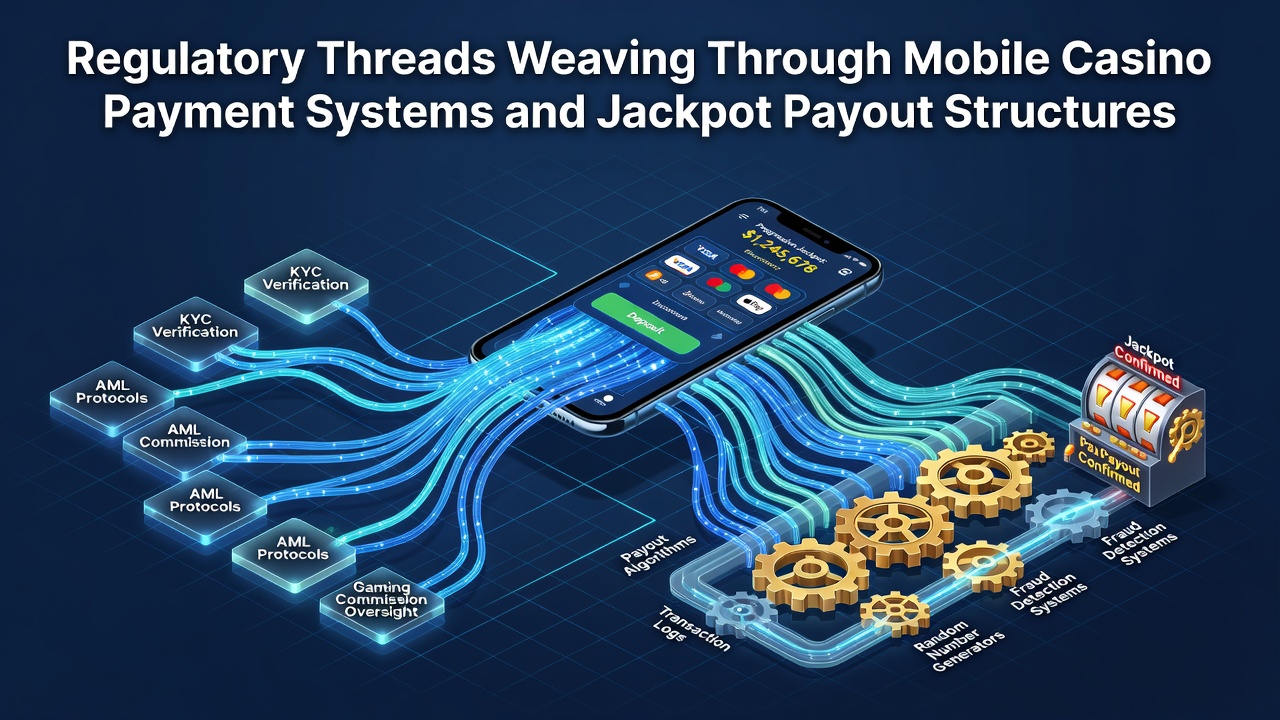
Regulatory bodies across multiple continents establish rules that connect mobile casino payment systems with jackpot payout structures, and these frameworks continue to evolve through coordinated international efforts. Data from industry reports shows that payment verification processes often tie directly into jackpot eligibility checks, while transaction monitoring systems flag patterns that could affect prize distributions in real time.
Payment System Oversight in Mobile Environments
Authorities in various regions require mobile platforms to integrate anti-money laundering protocols that scan every deposit and withdrawal, and these same checks extend to jackpot claims because large payouts trigger additional verification steps. The Nevada Gaming Control Board maintains standards that demand real-time reporting of transactions exceeding certain thresholds, and operators must align their mobile apps with these rules to maintain licensing. Meanwhile, Canadian provincial regulators apply similar transaction logging requirements that link payment histories to jackpot win validations, creating a chain where one anomaly in funding can delay or block prize releases.
Systems often use encrypted channels for fund transfers, and regulatory updates scheduled for implementation by September 2026 in several Australian states will mandate enhanced biometric confirmations during high-value jackpot payouts. This approach connects payment authentication directly to prize disbursement, and data indicates that such measures reduce discrepancies in reported winnings. Observers note that platforms must maintain audit trails covering both payment flows and jackpot calculations, which allows regulators to cross-reference information without separate investigations.
Jackpot Structure Requirements and Verification Processes
Progressive jackpot pools accumulate across networks of games, yet regulations specify how contributions from each wager feed into the total and how seed amounts reset after wins occur. Research from the University of Nevada Reno gaming studies program highlights that payout percentages must remain consistent regardless of payment method used to fund play, and this rule prevents operators from adjusting odds based on deposit sources. In practice, random number generators undergo testing by independent labs, and results feed into both payment confirmation systems and jackpot trigger mechanisms to ensure fairness across mobile sessions.
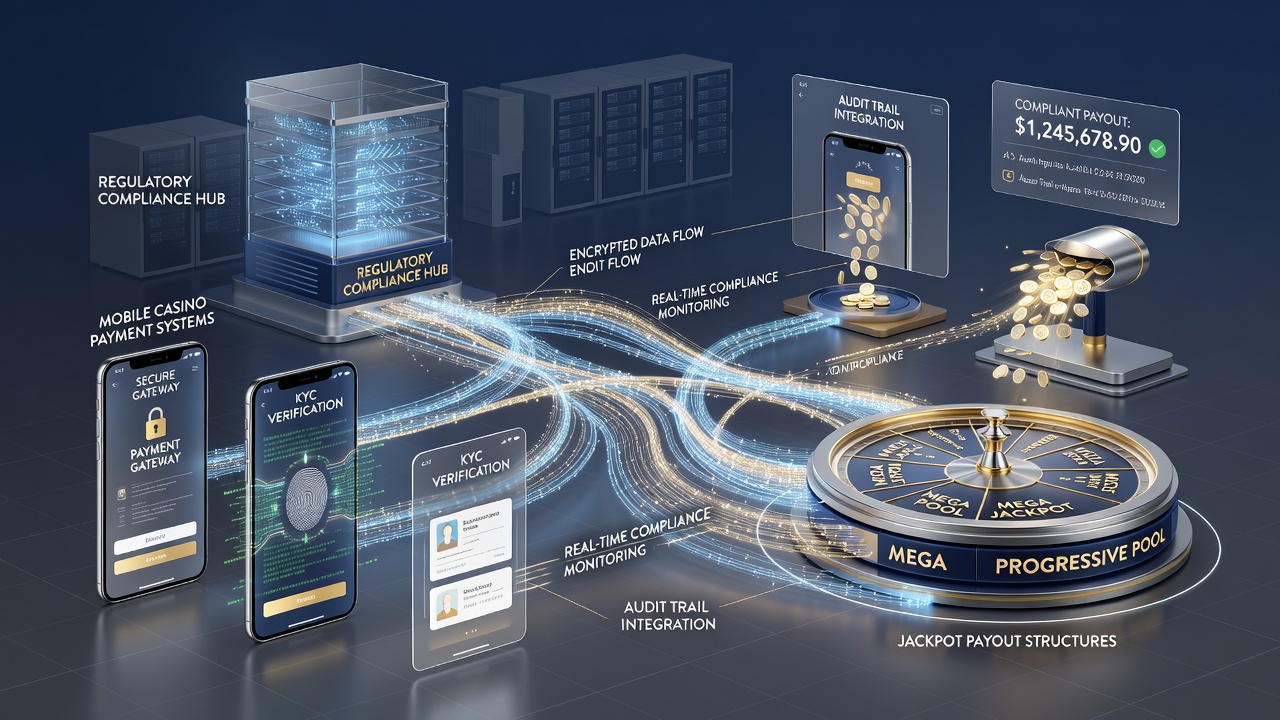
European authorities outside the UK apply caps on jackpot contributions from certain payment types, and these limits tie into broader consumer protection directives that also govern mobile transaction speeds. Figures from the Australian Communications and Media Authority reveal that jackpot win notifications must occur within specified timeframes after payment clearance, which synchronizes the two systems and reduces disputes. Those who analyze compliance data find that integrated software solutions now handle both payment reconciliation and jackpot metering in unified dashboards, allowing simultaneous reporting to multiple oversight bodies.
Cross-Border Compliance and Data Sharing
Mobile casino operators serving players from different jurisdictions must reconcile varying rules on payment processor approvals and jackpot tax withholdings, and this creates layered compliance layers that affect how prizes reach winners. Agreements between regulators in the United States and Canada facilitate information exchange on suspicious payment patterns that could influence jackpot eligibility, and such cooperation extends to verifying the source of funds used in progressive pools. Platforms implement geofencing technologies that adjust available payment options and jackpot participation based on user location, while backend systems log these adjustments for audit purposes.
By September 2026, several Asian regulatory frameworks are expected to introduce standardized jackpot contribution reporting formats that align with existing payment monitoring standards already used in North America. This harmonization effort aims to streamline cross-border operations, and early pilot programs show reduced processing times for international jackpot claims. Industry associations track these developments through shared databases, and operators reference these resources when updating mobile applications to meet multiple regional mandates simultaneously.
Conclusion
Regulatory connections between mobile casino payment systems and jackpot payout structures continue to tighten through shared data requirements and synchronized verification protocols. Evidence from regulatory filings demonstrates that integrated compliance tools now serve as the primary mechanism for meeting obligations across payment processing and prize distribution, and these systems support consistent application of rules regardless of player location or transaction size. Ongoing developments through 2026 point toward further alignment among international bodies, which will likely expand the scope of automated checks linking funding sources to jackpot outcomes.