27 Aug 2026
Digital Payment Integration and Controlled Play Features in UK's Mobile Live Gaming Applications
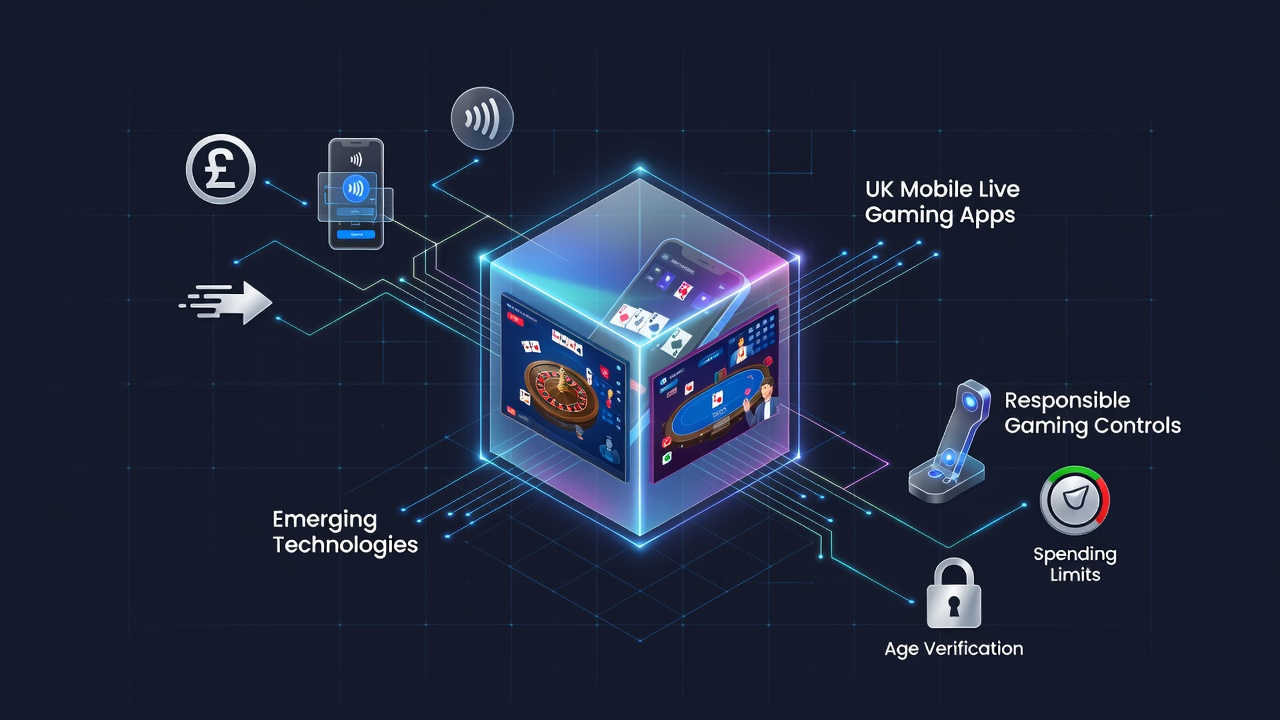
UK mobile live gaming applications continue to expand as developers combine real-time dealer interactions with seamless transaction tools, and observers note that payment systems now often include built-in limits that support controlled play. These applications typically feature games such as blackjack, roulette, and poker streamed directly to mobile devices, while payment processors handle deposits and withdrawals through methods that range from bank transfers to digital wallets. Data from industry reports indicate that transaction volumes in this sector rose steadily through 2025, with further growth projected into August 2026 as operators refine both speed and oversight features.
Payment Systems in Mobile Live Gaming Contexts
Digital payment systems in these applications rely on encrypted channels and instant verification steps that reduce processing times to seconds rather than minutes, and experts observe that many platforms now integrate APIs from established fintech providers to achieve this efficiency. Users can select from options including e-wallets, mobile banking apps, and prepaid vouchers, each of which carries distinct fee structures and verification requirements. Research published by the Bank for International Settlements highlights how real-time settlement protocols have become standard in European digital finance, and similar standards appear in gaming applications to minimize delays during live sessions. Those who track transaction patterns report that players frequently switch between payment methods within a single session, prompting developers to embed multi-option menus that update dynamically based on account status.
Controlled Play Mechanisms and Their Design
Controlled play mechanisms encompass tools such as session timers, deposit caps, and reality checks that interrupt extended play periods with on-screen prompts, and developers embed these directly into the application interface rather than treating them as optional add-ons. Studies from academic institutions show that such features correlate with measurable changes in user behavior when they activate automatically at predefined thresholds. In UK-based applications, these controls often sync with account profiles to maintain consistency across devices, allowing users to set personal parameters that persist even after software updates. Observers note that live gaming environments present unique challenges because real-time elements can encourage prolonged engagement, which is why many systems now pause game feeds temporarily when control thresholds are reached.
Where Payment Tools and Play Controls Overlap
The intersection emerges when payment gateways communicate directly with control modules, so that a deposit attempt triggers an automatic review against existing limits before funds transfer completes. This linkage allows applications to flag or block transactions that exceed daily or weekly caps, and developers achieve this through shared data protocols that update in real time. One study from the European Gaming and Betting Association examined similar integrations across several markets and found that combined systems reduced instances of rapid successive deposits by noticeable margins. In practice, a player who reaches a self-imposed spending limit sees both the payment option and the live game stream disabled until the next reset period, creating a unified safeguard rather than separate layers. What's notable is how these intersections extend to withdrawal processes as well, where verification steps can include brief pauses that encourage reflection before funds leave the account.

As of August 2026, several platforms have introduced predictive analytics that analyze spending velocity alongside play duration to suggest adjustments before limits are hit, and this proactive approach stems from ongoing refinements in machine learning models. Developers test these features through controlled rollouts that gather anonymized usage data, ensuring compliance with broader financial regulations that govern digital transactions. People who monitor industry trends point out that such predictive elements represent a shift from reactive blocks to anticipatory guidance, though implementation varies by operator size and technical resources.
Technical and Regulatory Considerations
Technical frameworks supporting these intersections require robust API connections between payment processors and gaming servers, while security protocols such as tokenization protect sensitive financial details during transfers. Regulatory frameworks outside the UK, including guidelines from bodies in Canada and Australia, emphasize the need for transparent data handling when payment and control systems share information. Industry organizations report that interoperability standards continue to evolve, allowing smaller developers to adopt pre-built modules rather than constructing custom solutions from scratch. Those who've examined case studies note that successful integrations often involve third-party auditors who verify both transaction accuracy and control effectiveness through periodic reviews.
Future Developments Expected by Late 2026
Projections for the remainder of 2026 suggest increased adoption of biometric authentication within payment flows, which could further tighten the connection to play control settings by tying identity verification to spending limits. Emerging applications may also incorporate cross-platform tracking that follows user activity from mobile to desktop environments, maintaining consistent controls regardless of access point. Data collected by research institutions indicates that user retention improves when control features feel integrated rather than intrusive, prompting continued investment in user interface refinements. Observers expect that partnerships between payment firms and gaming studios will accelerate these changes, particularly as live gaming expands into new formats such as augmented reality dealer tables.
Conclusion
The convergence of digital payment systems and controlled play mechanisms in UK mobile live gaming applications reflects broader trends in financial technology and user protection, with integrations that allow real-time oversight without disrupting gameplay flow. Evidence from multiple sources demonstrates that these combined features address both operational efficiency and behavioral considerations through shared data pathways. As applications continue to develop through 2026, the emphasis remains on technical compatibility and transparent implementation across different operator models.