19 Nov 2026
Britain's Digital Shift: Linking Secure Transactions to Progressive Prize Pools in Mobile Live Gaming Environments
 Britain has seen steady integration of encrypted payment systems with progressive prize structures inside mobile live dealer environments, and observers note this development accelerated through regulatory adjustments that took effect by November 2026. Data from industry reports indicate transaction volumes in live gaming applications rose alongside adoption of tokenised payment rails that feed directly into pooled prize calculations. Researchers at several European institutions tracked how these systems allocate portions of each wager into growing jackpots while maintaining audit trails that satisfy cross-border standards.
Secure Transaction Frameworks in Mobile Platforms
Payment processors operating across Britain now route funds through multi-layer encryption protocols that separate player accounts from prize pool ledgers, and this separation reduces exposure during high-volume live sessions. Figures released by teh Organisation for Economic Co-operation and Development highlight that digital payment adoption in gaming sectors grew 18 percent between 2024 and 2026 in member states including the United Kingdom. Those protocols rely on real-time verification that confirms funds before any contribution reaches the progressive pool, which prevents discrepancies that once disrupted jackpot accumulation. Observers point out that live dealer streams benefit when settlement occurs within milliseconds, because delays can interrupt the continuous play cycle that defines the format. Studies conducted by the University of Melbourne gaming research group found that platforms using instant settlement reported fewer player drop-offs during jackpot triggers. Yet the same research noted that latency issues still surface when networks experience peak loads, prompting operators to maintain backup routing that keeps prize contributions flowing.Progressive Prize Pool Mechanics and Live Integration
Progressive pools in these environments draw fixed percentages from every qualifying bet across multiple titles, and mobile applications now display real-time increments that update after each confirmed transaction. This linkage ensures that larger prize pools reflect actual wager activity rather than estimated figures. According to data compiled by the European Gaming and Betting Association, operators that synchronised pool updates with transaction confirmations recorded a 12 percent increase in average session duration during the first half of 2026.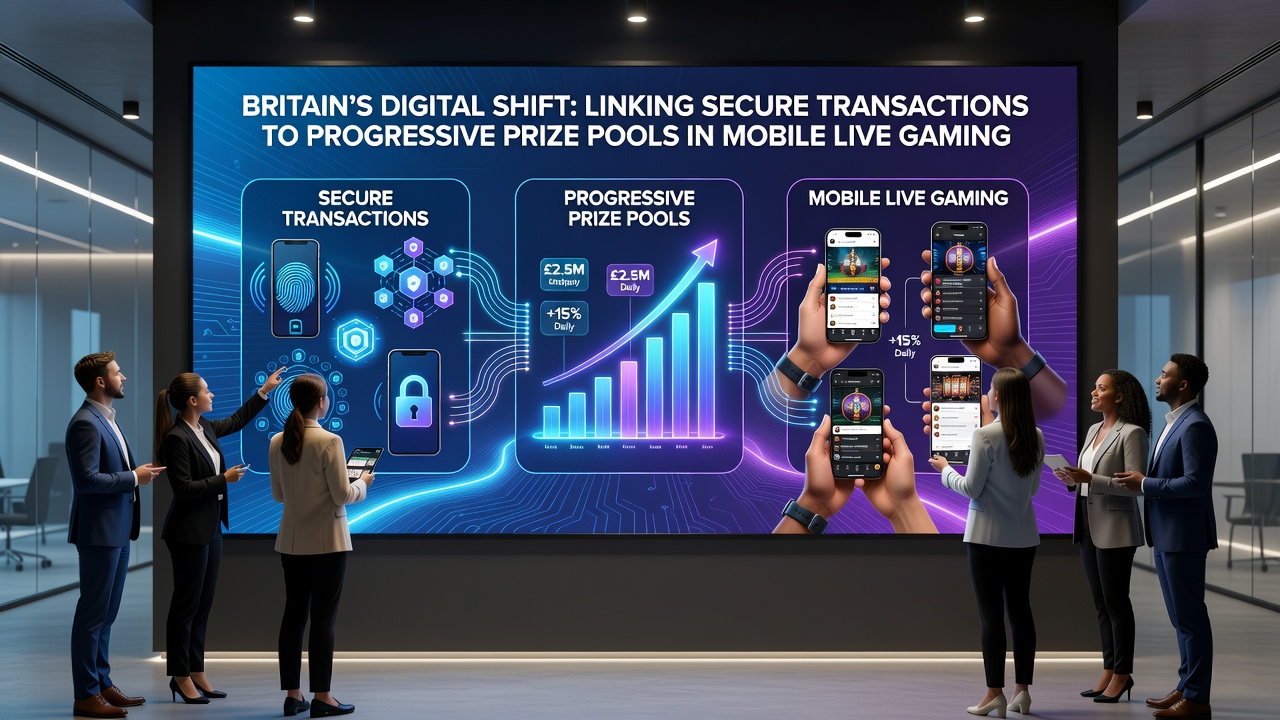 Live dealer environments introduce additional complexity because dealers must interact with digital interfaces while players place bets through the same application. Experts at Canadian regulatory bodies observed that when prize contributions register instantly, the visual meter on screen maintains credibility with participants who expect transparency. And platforms that adopted this model reduced disputes over jackpot eligibility by routing every wager through a centralised verification node before the pool amount changes.